Home / Stone Surface Finishes
Stone Surface Finishes
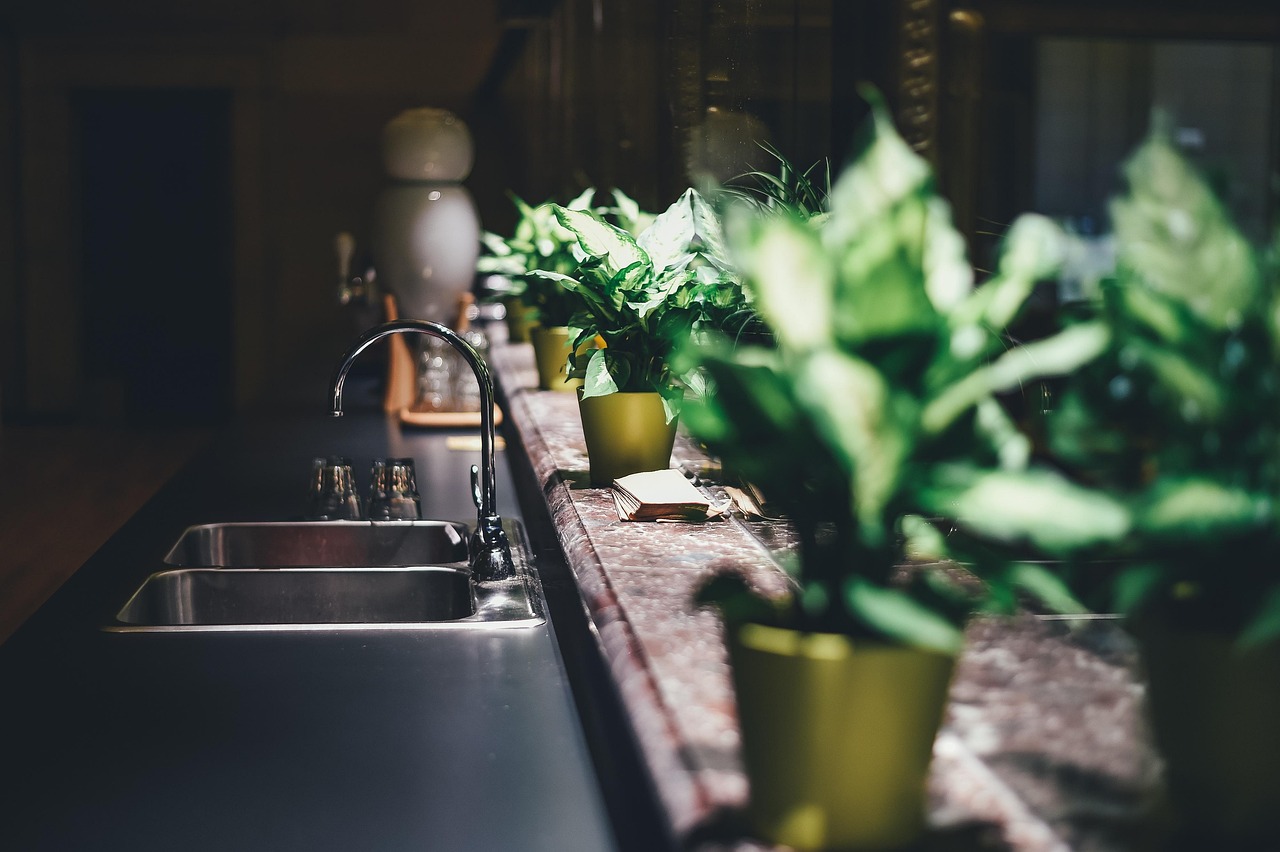
Understanding Natural Stone Surface Finishes
Selecting a natural stone countertop or flooring involves more than just picking a color or a pattern. The way the surface is treated during the manufacturing process dictates how the stone looks, how it feels to the touch, and how it reacts to daily use. These treatments, known as finishes, alter the texture and light reflectivity of the stone. The three most common finishes for stone surfaces are polished, honed, and leathered. Each option offers a distinct aesthetic and provides different levels of practical utility for a home.
For more local guides, see buncombe county custom countertops files.
The Polished Finish
A polished finish is the most traditional way to present natural stone. This process involves using progressively finer abrasive pads to smooth the surface until it reaches a high gloss. The result is a surface that is mirror like and highly reflective. When light hits a polished stone, it bounces directly back, which can make a room feel brighter and more spacious. This finish is particularly popular in formal settings where a sense of luxury and elegance is desired.
The visual characteristics of a polished finish include:
- Deep color saturation that makes the natural veins and patterns of the stone stand out.
- A smooth, glass like surface that is easy to wipe clean.
- High reflectivity that interacts with ambient lighting.
While the polished look is striking, it comes with specific maintenance considerations. Because the surface is perfectly flat and smooth, it shows fingerprints, water spots, and dust more easily than textured finishes. Small scratches may become visible over time as the light catches the imperfections in the gloss. However, if a polished surface becomes dull or scratched, it can often be buffed back to its original shine through professional resurfacing techniques.
The Honed Finish
A honed finish provides a matte appearance. Instead of polishing the stone to a high shine, manufacturers use abrasives to create a smooth but non reflective surface. A honed stone looks soft and understated. It lacks the glare associated with polished surfaces, making it a preferred choice for homeowners who want a more contemporary or organic look. This finish is often used in kitchens where a subtle, natural appearance is desired rather than a high gloss shine.
Key features of a honed finish include:
- A flat, matte appearance that absorbs light rather than reflecting it.
- A smooth texture that is pleasant to touch but lacks a slippery gloss.
- A more muted color profile where the patterns appear softer.
Honed surfaces offer some practical advantages regarding visibility. Because there is no shine, fingerprints and minor water spots are much less noticeable than they are on polished stone. However, the texture can be a double edged sword. While it hides smudges, some porous stones may absorb liquids more readily in a honed state if they are not properly sealed. If a spill sits on a honed surface for too long, it might leave a dull spot known as etching, especially if the stone contains calcium or other reactive minerals.
The Leathered Finish
A leathered finish is a specialized texture that has gained popularity in modern interior design. This process uses specialized tools to create a surface that is slightly uneven and textured. It is not quite as smooth as a honed finish, but it is not rough like a natural cleft stone. The name comes from the way the surface feels, which is somewhat similar to the texture of soft leather. This finish is achieved by brushing the stone with diamond tipped tools to create a subtle, tactile pattern.
The practical benefits of a leathered finish include:
- A highly textured surface that effectively hides fingerprints, smudges, and water spots.
- A matte appearance that provides a sophisticated, organic aesthetic.
- A non reflective quality that works well in rooms with many windows or bright artificial light.
Leathered stone is often considered one of the most durable options for high traffic areas like kitchen islands or dining tables. The uneven surface helps to mask small scratches and minor chips that might be obvious on a polished surface. It also provides a bit of grip, which can be helpful in areas where moisture is present. Like honed stone, a leathered finish requires regular sealing to protect the stone from staining, as the texture creates more surface area for liquids to settle into.
Comparing Wear and Maintenance
When deciding between these three finishes, you must consider the lifestyle of the household. Each finish reacts differently to the inevitable accidents of daily life.
Visibility of Imperfections
If you prefer a surface that shows everything, polished is the way to go. It provides a clean, pristine look but requires frequent wiping to remove streaks. If you want a surface that is forgiving of messy hands or water splashes, leathered or honed finishes are more practical. The texture of leathered stone is the most effective at hiding visual clutter, while honed stone sits in the middle of the spectrum.
Light and Atmosphere
The choice of finish significantly impacts the mood of a room. A polished surface can make a dark kitchen feel lighter by reflecting light from lamps or windows. Conversely, a leathered or honed surface can make a room feel cozy and grounded. In rooms with heavy sunlight, a polished surface might create distracting glares on the countertop, whereas a leathered finish will remain consistent regardless of the light angle.
Cleaning and Upkeep
Regardless of the finish, all natural stone requires specific care. You should avoid using acidic cleaners, such as vinegar or lemon juice, on any stone surface, as these can cause chemical burns known as etching. For maintenance, follow these general guidelines:
- Use mild soap and warm water for regular cleaning.
- Dry the surface with a soft cloth to prevent water spots.
- Apply a stone sealer according to the manufacturer instructions to prevent staining.
- Use coasters and cutting boards to protect the surface from direct contact with harsh items.
While the cleaning products are similar across all finishes, the frequency of cleaning may vary. A polished surface might require a daily wipe down to maintain its luster, while a leathered surface might only need cleaning when visible debris accumulates in the texture. Understanding these nuances helps ensure that the chosen stone remains beautiful for many years.