Home / Leathered Finish and Fingerprints
Leathered Finish and Fingerprints
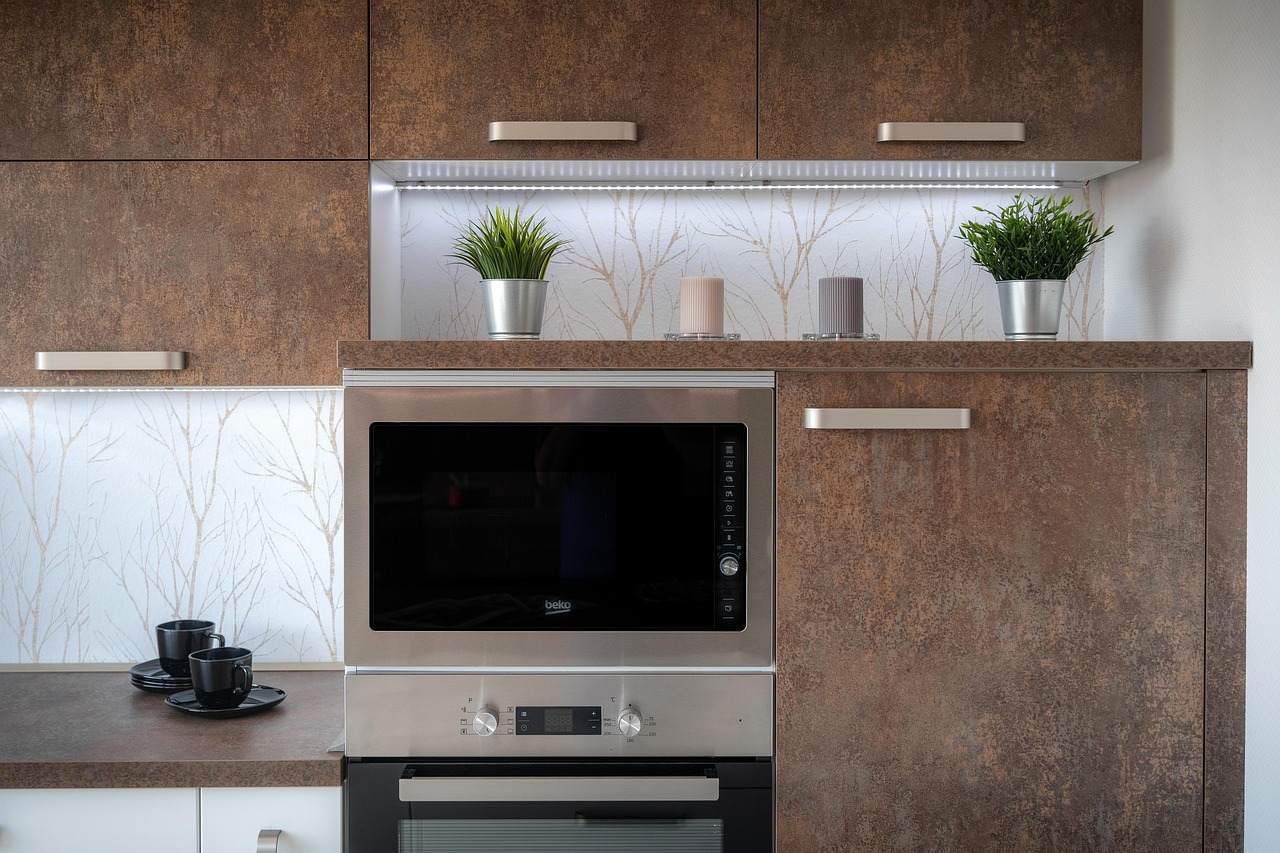
Understanding the Leathered Stone Texture
Natural stone surfaces like granite and quartzite often come in several distinct finishes. While polished finishes are smooth and highly reflective, a leathered finish offers a different tactile experience. This process involves using specialized tools to create a textured surface that feels slightly pebbled or matte. The name comes from the way the stone feels to the touch, resembling the grain of natural leather rather than a flat sheet of glass.
The leathering process removes the high gloss from the stone while leaving a subtle, uneven topography. This texture is not uniform. It contains tiny ridges and valleys that break up the way light hits the surface. Instead of a single bright reflection, the light scatters across the stone. This characteristic makes the material appear more organic and less processed than a standard polished slab.
How Texture Affects Visual Appearance
One of the primary reasons homeowners choose a leathered finish is the visual depth it provides. Because the surface is not perfectly flat, it highlights the natural mineral patterns and veining within the stone. In a polished slab, the high shine can sometimes create a glare that obscures the fine details of the stone. A leathered surface allows the eye to focus on the colors and textures of the material itself without the distraction of heavy reflections.
This finish also works well in environments with varied lighting. In a room with bright sunlight, a polished countertop might create blinding spots of light. A leathered surface absorbs and diffuses that light, creating a softer ambiance. This makes the stone a practical choice for kitchens or bathrooms where lighting conditions change throughout the day.
The Relationship Between Texture and Fingerprints
Fingerprints are a common concern on smooth, high gloss surfaces. When skin oils touch a polished stone, the oil fills the microscopic gaps in the surface, creating a visible smear. Because polished stone is so reflective, these smears catch the light and become immediately apparent to anyone looking at the counter. This often leads to a constant need for wiping and polishing to maintain a clean appearance.
A leathered finish handles fingerprints differently due to its physical structure. The tiny ridges and valleys created during the texturing process act as a way to mask oils. When a finger touches a leathered surface, the oils are distributed into the uneven texture rather than spreading across a flat plane. This prevents the formation of large, shiny smudges that are typical of polished stone. While the oils are still present on the stone, they are much harder to see with the naked eye because they do not create a continuous film that reflects light.
Practical Benefits for High Traffic Areas
Kitchen countertops and bathroom vanities are high touch areas. They experience constant contact from hands, utensils, and various household items. The leathered finish provides several practical advantages in these settings:
- Smudge Resistance: As mentioned, the uneven surface hides the oily marks left by hands.
- Water Spot Camouflage: Similar to fingerprints, water spots and dried mineral deposits are less visible on a matte, textured surface than on a mirror like finish.
- Scratch Masking: Small surface scratches that might be highly visible on a polished slab are often lost within the existing texture of a leathered surface.
- Slip Resistance: In areas where stone might be used for flooring or backsplash, the added grip of the texture can provide a safer surface than polished stone.
Maintenance and Cleaning Considerations
While the leathered finish is excellent at hiding smudges, it does require specific cleaning habits to maintain its integrity. Because the surface is not flat, it can trap fine particles like flour, salt, or dust more easily than a polished surface. You must be mindful of how you clean these areas to ensure debris does not settle into the grain.
To keep a leathered stone surface in good condition, follow these general guidelines:
- Use Soft Cloths: Use microfiber cloths or soft sponges to wipe the surface. Avoid abrasive pads that could wear down the specific texture or change the feel of the stone.
- Avoid Harsh Chemicals: Stick to mild soaps and water. Strong acids or highly alkaline cleaners can potentially affect the stone and the finish over time.
- Regular Dusting: Periodically use a soft brush or a vacuum with a brush attachment to remove fine particles from the textured valleys.
- Consistent Sealing: Most natural stones are porous. Even with a leathered finish, regular application of a stone sealer is necessary to prevent liquids from soaking into the stone and causing deep stains.
Choosing the Right Finish for Your Space
Deciding between a polished and a leathered finish depends on your lifestyle and aesthetic goals. If you prefer a traditional, glamorous look with a high shine, polished stone remains the standard. However, if you want a more natural, earthy appearance that is forgiving of everyday use, leathered stone is a strong candidate. It offers a unique way to enjoy the beauty of natural minerals while minimizing the visual impact of daily fingerprints and smudges.